Retro Video Game Collecting: The 2026 Complete Guide
This post contains affiliate links — we may earn a commission at no extra cost to you.
Retro video games are one of the most interesting asset classes in collectibles right now. I’ve been collecting since 2008 — started with SNES carts, expanded into CIB Nintendo 64, then down the rabbit hole of Sega Saturn, Neo Geo, and graded sealed copies (PSA, formerly WATA). The market has changed dramatically: what used to be $30 games are now $300, and what used to be $300 games are approaching $3,000.
This pillar covers what I actually watch: which consoles to target, which conditions matter, and how to use PriceCharting + eBay sold comps to make informed decisions.
In This Article
- The condition tiers that matter
- Which consoles are hot in 2026
- Sealed game investing
- CIB collecting: the sweet spot
- PSA / VGA / CGC grading — worth it?
- Regional variants (Famicom, PAL, NTSC-J)
- Biggest collector mistakes
- Storage and display
- Frequently Asked Questions
- Dive Deeper: Retro Guides + Libraries
The Condition Tiers That Matter
Every retro game exists in multiple tiers, and the price gap between them is enormous. PriceCharting organizes them as:
- Loose — cartridge or disc only, no box or manual
- CIB (Complete In Box) — original box, manual, inserts, tray, cart/disc
- New (Sealed) — factory-sealed in shrink wrap, never opened
- Graded — PSA, VGA, or CGC slab, typically sealed examples (PSA acquired WATA — its video-game grading is the WATA continuation)
For most collectors, the price multipliers roughly work out to:
- Loose: baseline (1x)
- CIB: 2-4x loose
- Sealed: 3-8x CIB (so 6-32x loose)
- Top-grade sealed (e.g. WATA 9.6 A+ / PSA equivalent): 10-50x loose
That “10-50x” range is where people get hurt. Sealed grade is graded on a brutal scale (box freshness, shrinkwrap condition, seams). Most sealed games don’t hit the top grades. Investment-tier examples (WATA 9.8 A+ / PSA equivalent) are genuinely rare — and priced that way.
Which Consoles Are Hot in 2026
Coverage on this site is ~20 consoles deep. Not all are equal. Here’s where I see the most interesting data:
- SNES — the archetypal collector console. CIB RPGs (Chrono Trigger, EarthBound, Secret of Mana) and action platformers (Castlevania IV, Mega Man X) are reliable compounders. See our SNES values guide.
- Nintendo 64 — CIB market is volatile but the top 20 games (Conker, Banjo-Tooie, Zelda Majora’s Mask CE) have been climbing steadily. N64 cartridge values.
- Sega Dreamcast — the last-Sega-console premium is real. Cult status, limited production, and an active resale market. Skies of Arcadia CIB has moved 40% over 2 years.
- Neo Geo AES — the ultra-high-end. Sealed Neo Geo titles routinely hit $5K-$50K. Niche but massive per-unit economics.
- Game Boy / Game Boy Color / GBA — aging into collector status. Graded Pokémon (Red/Blue/Gold/Silver) are the anchor, but shmups and niche RPGs are appreciating.
- PS1 and PS2 — the sleepers. Both consoles are early in their collector trajectory. CIB survival horror (Silent Hill series, Fatal Frame) is where I’m watching.
- Atari 2600 — sealed originals are extremely rare and iconic. Volume is thin but individual sales are eye-watering.
See the full console list on our retro games hub for every console we track.
Sealed Game Investing
Sealed retro games are the version of Pokemon sealed product for the gaming market. Same logic: scarcity rises as people open, crack, or damage remaining stock.
What makes a sealed game investable:
- Low print run. Limited releases, late-cycle titles, regional exclusives.
- Character / franchise pull. Mario, Zelda, Metroid, Pokémon — the franchises that compound beyond normal collector demand.
- Early production. First-print sealed copies (Y-fold, hang-tab, or early variants) often command multiples over later prints of the same game.
- Condition of the seal itself. Shrinkwrap condition, sticker presence, box crush, seams.
Red flags on sealed: - Resealed copies (very common, often undetected for years) - Non-US sealed copies passed off as NTSC - “Mint unopened” copies that have been opened and recrushed
If you’re serious about sealed, authentication via PSA, VGA, or CGC grading is often worth it even if the cost is $150-300 per slab, because unauthenticated sealed can be almost un-resellable at top dollar.
See our sealed retro games guide for deeper cost/benefit math.
CIB Collecting: The Sweet Spot
CIB is where most collectors spend their time and money, and for good reason. You get:
- The full nostalgia package — original art, manual, inserts
- Way better value per dollar than sealed — 2-4x loose, not 10-50x
- Faster liquidity — CIB market on eBay turns over daily
- Less authentication risk than sealed — harder to fake a complete package than to reseal a loose cart
The CIB pricing formula I use:
- Start with PriceCharting CIB median
- Sanity-check against last 30 days of eBay sold comps
- Discount 10-15% for non-ideal manual condition (water damage, tears, markings)
- Discount 20-30% for missing inserts (registration cards, warranty paperwork, any bonus posters)
CIB storage matters a lot. Humidity and UV destroy old boxes faster than you’d think. See the storage section below.
PSA / VGA / CGC Grading — Worth It?
Short answer: only for sealed games, only if the expected top-grade premium is 2-3x the raw sealed value, AND the submission cost makes sense at that price point.
A note on graders: PSA acquired WATA, so the grading service formerly known as WATA is now PSA’s video-game program. Older graded slabs in WATA holders are still recognized by the market — but new submissions go to PSA. VGA is the long-running independent and CGC is the newer entrant; both are still active.
When grading makes sense: - Sealed copy of a $500+ title (grading fee is 5-15% of the final value, not 50%) - Verified first-print or early production (adds 20-50% to graded price) - Cases where authentication concerns dominate the market (you need the third-party provenance)
When grading is a trap: - Sealed modern / re-release copies (low expected grade premium) - Boxes with obvious flaws (poor corners, fading, creases — you’ll get a low grade that doesn’t pay) - Budget sealed games where the grading fee exceeds 30% of final sale price
PSA vs VGA vs CGC: All three are legitimate. PSA (the WATA continuation) dominated the 2020-2022 sealed boom and still has the most volume on eBay. VGA has been around longer and has a strong collector base for pre-2000 games. CGC is the newest entrant — fewer comps, but their slab presentation is winning fans. Per-genre there can be meaningful premium differences — check PriceCharting’s per-grader data before submitting.
Regional Variants (Famicom, PAL, NTSC-J)
Japanese Famicom and Super Famicom, PAL European releases, and NTSC-J cartridges all price differently from NTSC-U. Key dynamics:
- Japanese exclusives (games never released outside Japan) can be orders of magnitude more valuable than their US equivalents. Early Famicom RPGs, Treasure shooters, late-cycle Super Famicom games.
- PAL releases are usually cheaper than NTSC-U for the same game, except for very limited PAL-exclusive runs.
- Big-box Japanese sealed games have their own collector subculture — different seal types, hangtags, and authentication considerations.
If you collect seriously across regions, learn the variant markers. Cover art differences, seal placement, manual language, and production codes all matter.
Biggest Collector Mistakes
- Overpaying on sealed in a hot market cycle. Sealed pricing is cyclical. 2020-2022 was the high-water mark; many 2022 purchases are still underwater. Don’t chase mania tops.
- Ignoring box condition on CIB. A water-damaged box is a 30-50% haircut vs. NM. Inspect photos carefully.
- Assuming PriceCharting = current market. PC is a great baseline but can lag real-time eBay moves by days. Always cross-check recent sold comps.
- Grading marginal sealed copies. A sealed game with visible crushing or seam damage will never hit a grade that justifies the submission. Be honest about condition.
- Not climate-controlling storage. I’ve seen otherwise-pristine CIB collections ruined by a single summer in an un-conditioned garage.
Storage and Display
Three principles: humidity stability, UV avoidance, physical protection.
- CIB boxes: store vertically (not stacked — crushes bottoms). Use acid-free storage boxes.
- Loose cartridges: cartridge sleeves in organized bins. Retro-Bit cartridge sleeves are cheap insurance.
- Sealed games: UV-blocking cases or plastic protectors. Never direct sunlight, never near heat sources. EVORETRO UV box protectors are the current standard.
- Display: IKEA Kallax shelving with protector cases is the collector default for a reason.
Keep room humidity at 40-60%. Below 30% dries out manuals and inserts. Above 70% invites mold. A cheap digital hygrometer per display room is $10 well spent.
Frequently Asked Questions
Is retro gaming still a good investment in 2026?
Depends on the console. Top-tier sealed and graded games (PSA, VGA, CGC) are consolidating after the 2020-2022 boom — not a great time to chase those. CIB and loose for underappreciated libraries (Saturn, Dreamcast, PS2, Xbox Original) are where I see the most upside. Aim for 15-30% annual returns on patient CIB collecting, not the 200%+ of the boom.
Should I buy loose, CIB, or sealed?
CIB is the best ratio of fun to profit for most collectors. You actually get to own the complete package and it’s liquid enough to exit when needed. Sealed is for serious investors with $5K+ budgets. Loose is for players who want to actually play the games.
Is grading (PSA / VGA / CGC) worth paying for?
Only on sealed copies of $500+ games where grade premium is likely 2x+. Fees, shipping, and wait times crush the math on cheaper games. Get specific per-game PriceCharting data before submitting. Note: PSA acquired WATA, so PSA’s video-game program is the continuation of the WATA grading you may have seen referenced in older articles.
How do I spot a resealed game?
Shrinkwrap seams (factory seals are usually one-piece welds, not tape joins), sticker residue or misalignment, box condition that doesn’t match the shrinkwrap freshness, manual condition visible through cracks. When in doubt, authentication services exist for a reason.
What about modern (PS3, Xbox 360, Switch) collecting?
Modern collecting is heating up but slowly. Expect 5-10 years before most modern sealed hits the kind of price premiums we see on SNES/N64 today. Buy what you actually want to play; treat appreciation as a bonus, not a plan.
Best entry point for a new retro collector?
Pick one console, set a budget, read the cluster guide for that console on this site, then build a targeted want list rather than buying whatever’s in front of you. SNES and N64 have the deepest support for new collectors and the most stable pricing data.
Dive Deeper: Retro Guides + Libraries
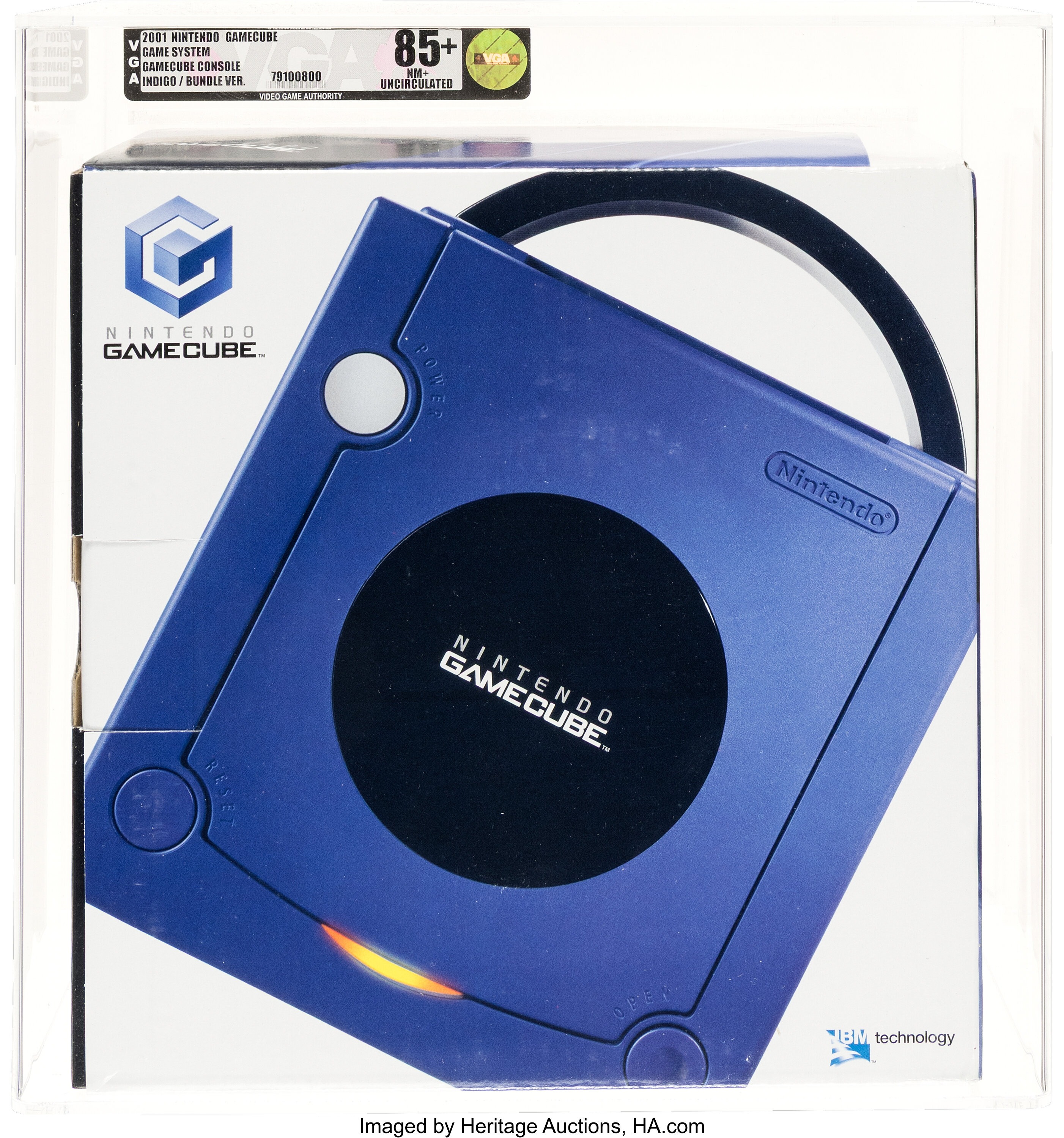
GameCube Game Library: PSA Pop Report + Loose / CIB / Sealed Prices
All 579 GameCube games PSA tracks (870 variants) — loose, CIB, sealed pop counts + PriceCharting prices. Updated weekly.
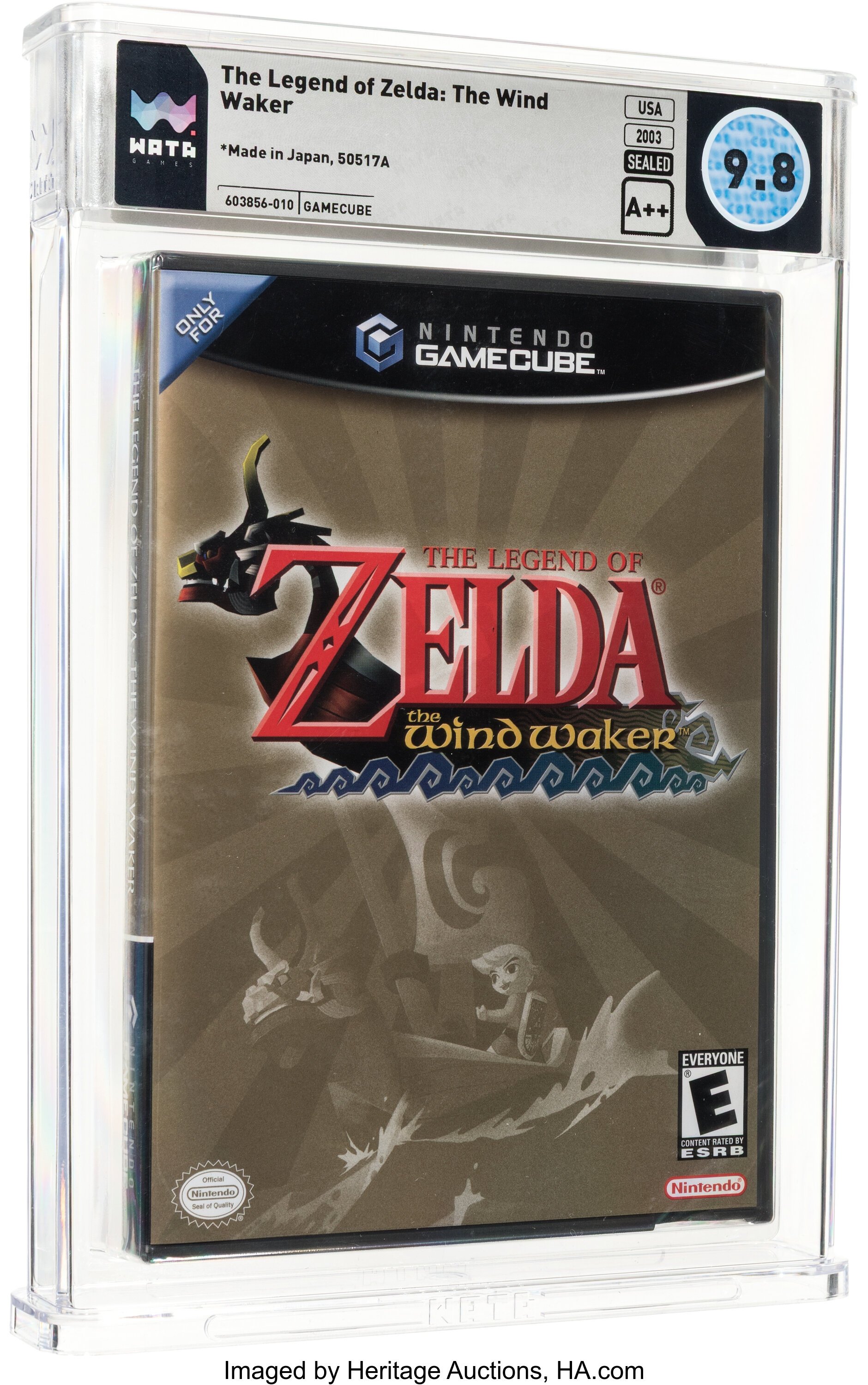
Best GameCube Games to Collect in 2026: Ranked by PSA Data
The GameCube games collectors grade most, from 436 PSA-graded titles: The Legend of Zelda: The Wind Waker, TMNT and The Legend of Zelda: Twilight Princess lead. Sealed prices, record auction sales and the ones still under $40 sealed.
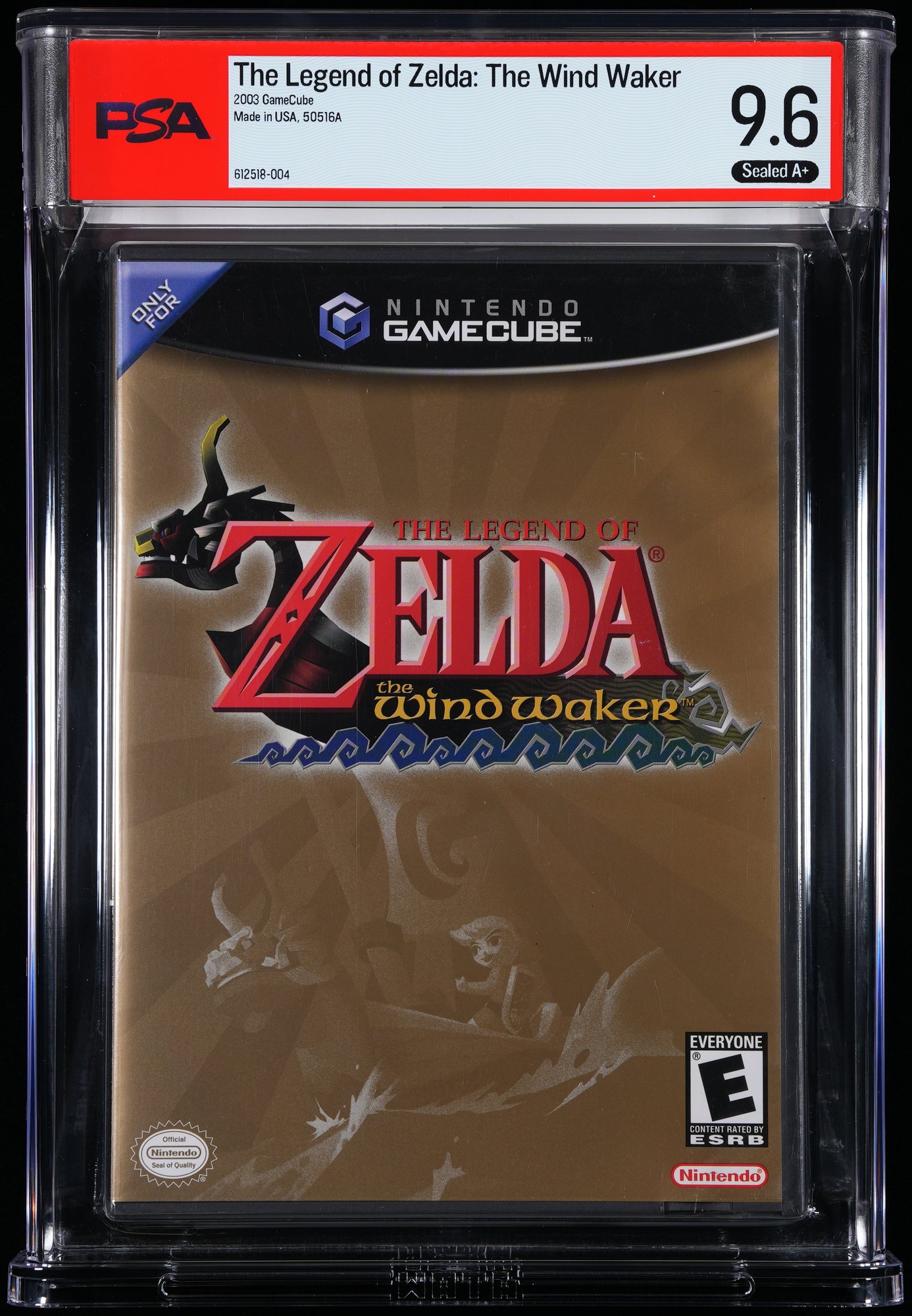
Top 10 Most Valuable GameCube Graded Games in 2026
The 10 most valuable graded GameCube games by real Heritage Auctions and Goldin sold prices — led by The Legend of Zelda: The Wind Waker (WATA 9.8 A++ at $18,75
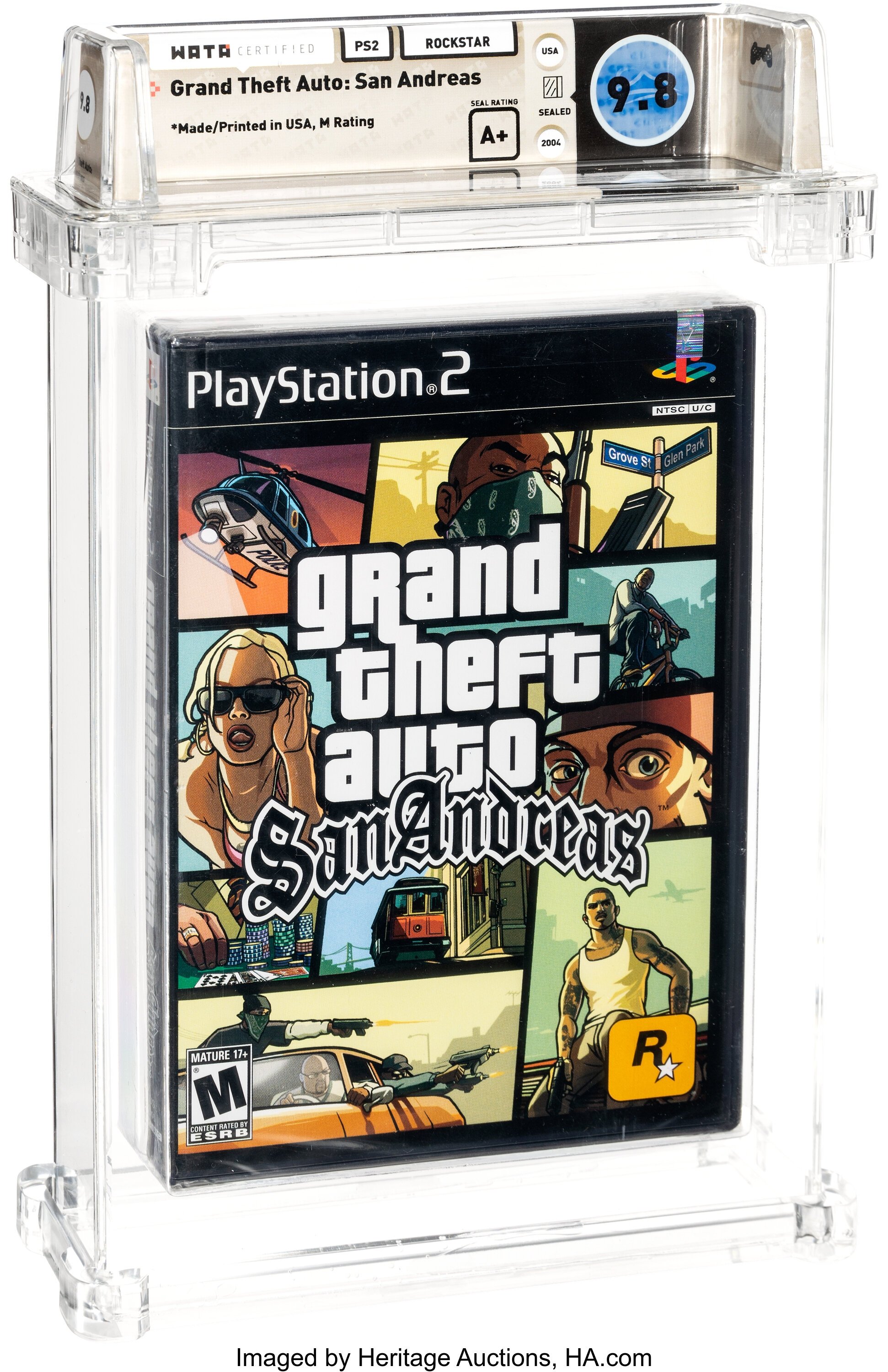
Best PS2 Games to Collect in 2026: Ranked by PSA Data
The PlayStation 2 games collectors grade most, from 1,261 PSA-graded titles: Grand Theft Auto: San Andreas, Kingdom Hearts II and Grand Theft Auto: Vice City lead. Sealed prices, record auction sales and the ones still under $40 sealed.
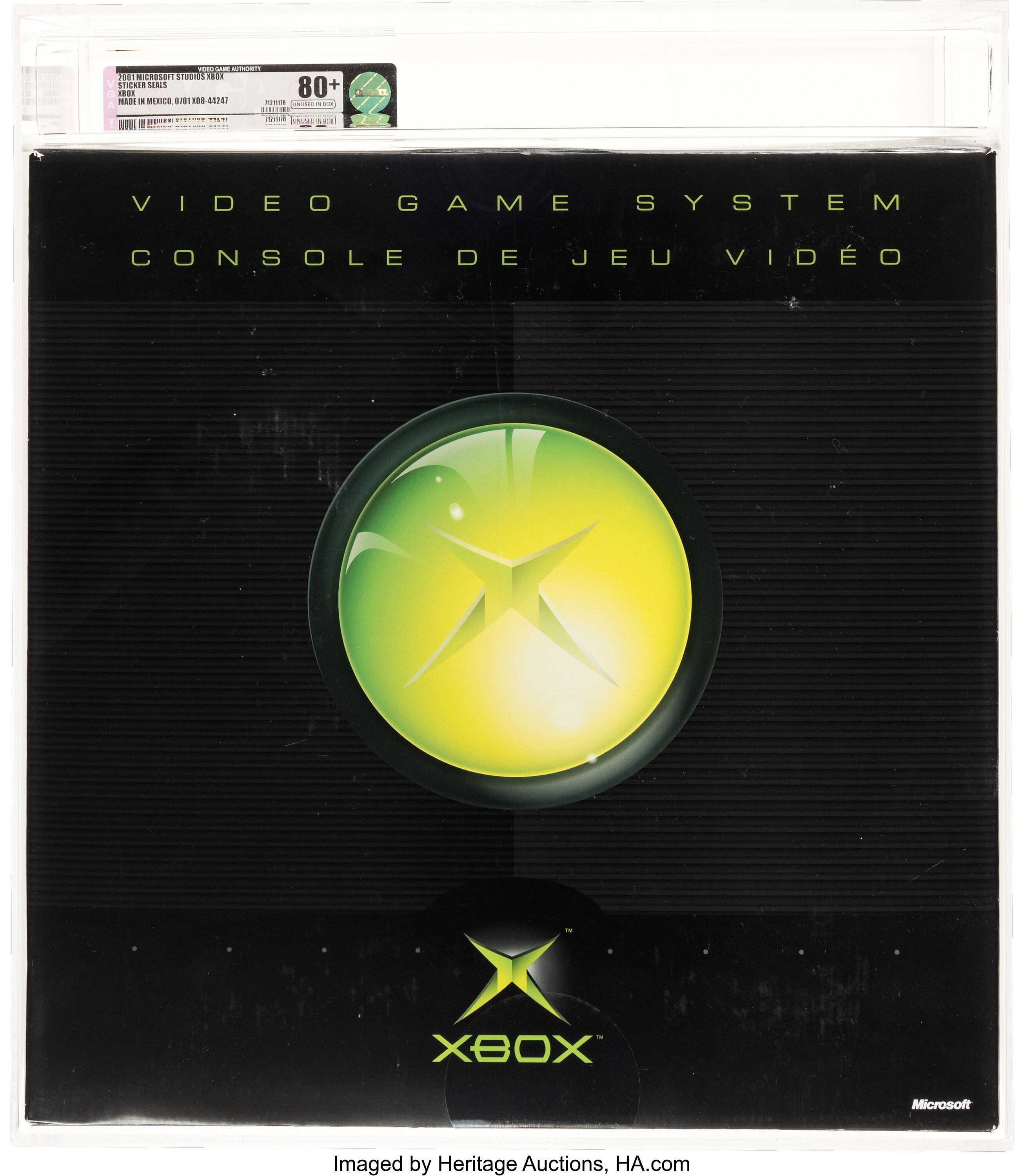
Original Xbox Game Library: PSA Pop Report + Loose / CIB / Sealed Prices
All 890 Original Xbox games PSA tracks (1,096 variants) — loose, CIB, sealed pop counts + PriceCharting prices. Updated weekly.
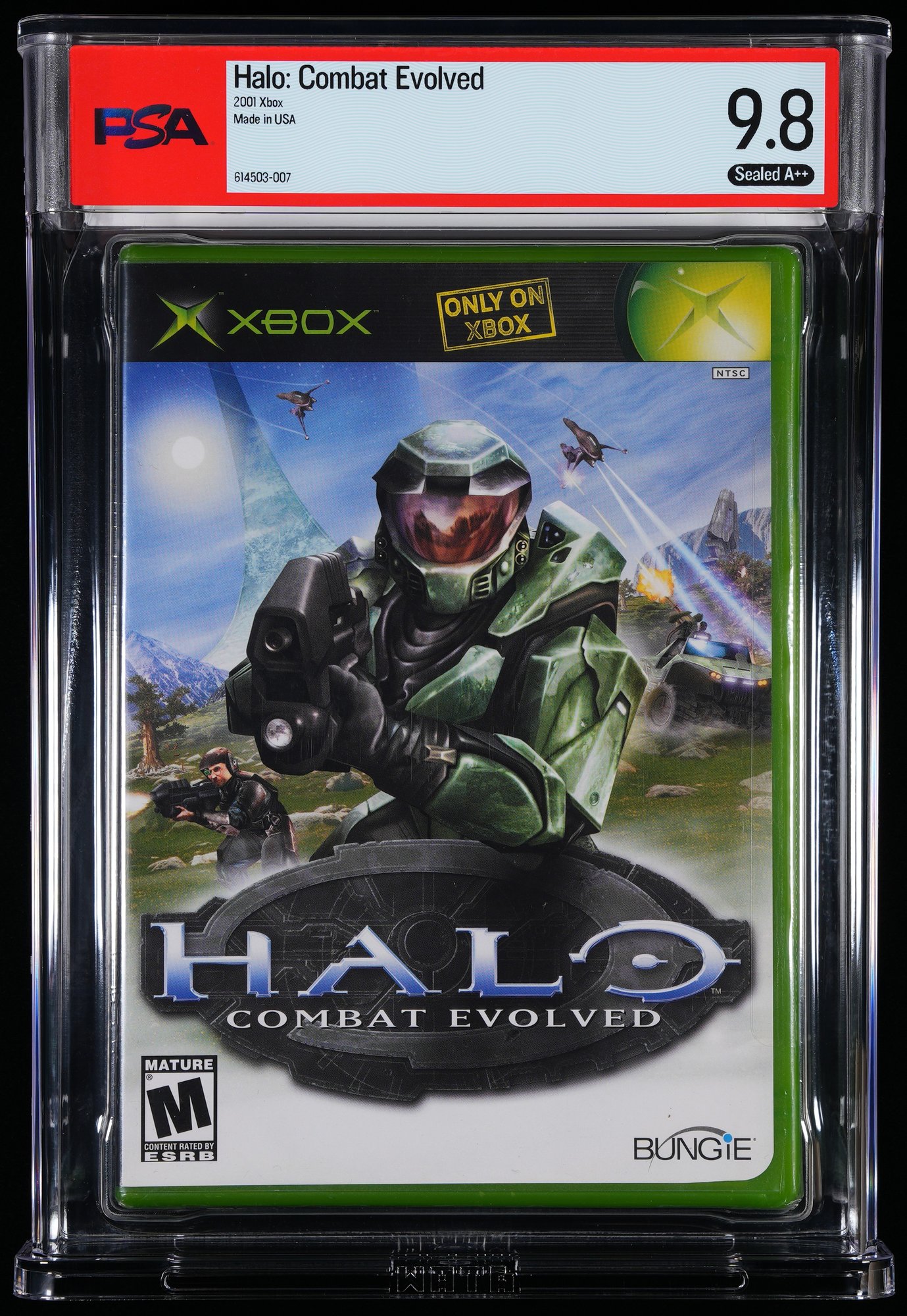
Top 10 Most Valuable Original Xbox Graded Games in 2026
The 10 most valuable graded Original Xbox games by real Heritage Auctions and Goldin sold prices — led by Halo: Combat Evolved (WATA 9.8 A+ at $108,000).
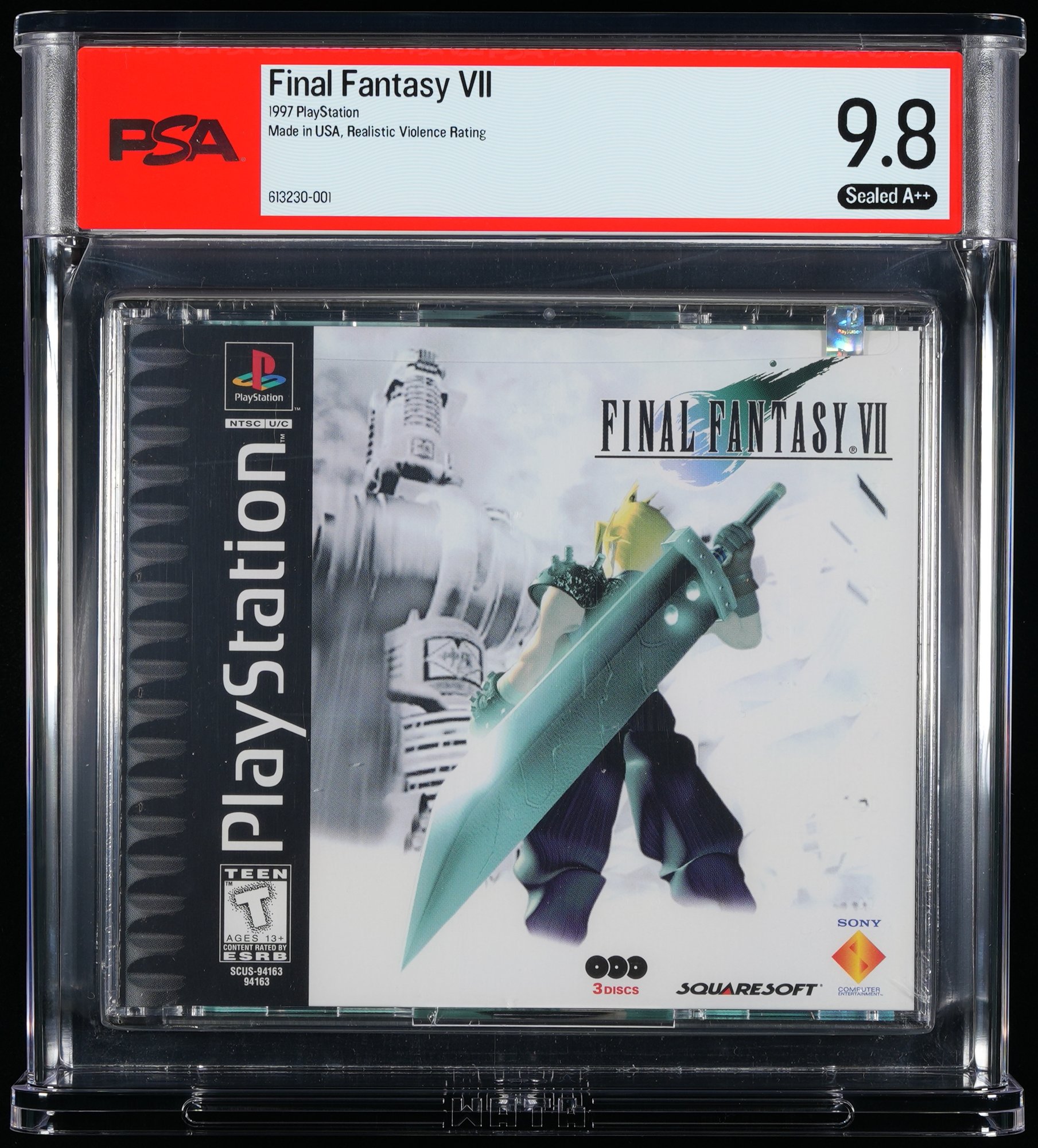
September 2026 Retro Game Auction Market Report
September 2026 graded retro game auction results from Heritage Auctions and Goldin: 243 sales, $1,372,344 realized, led by Final Fantasy VII at $185,303.
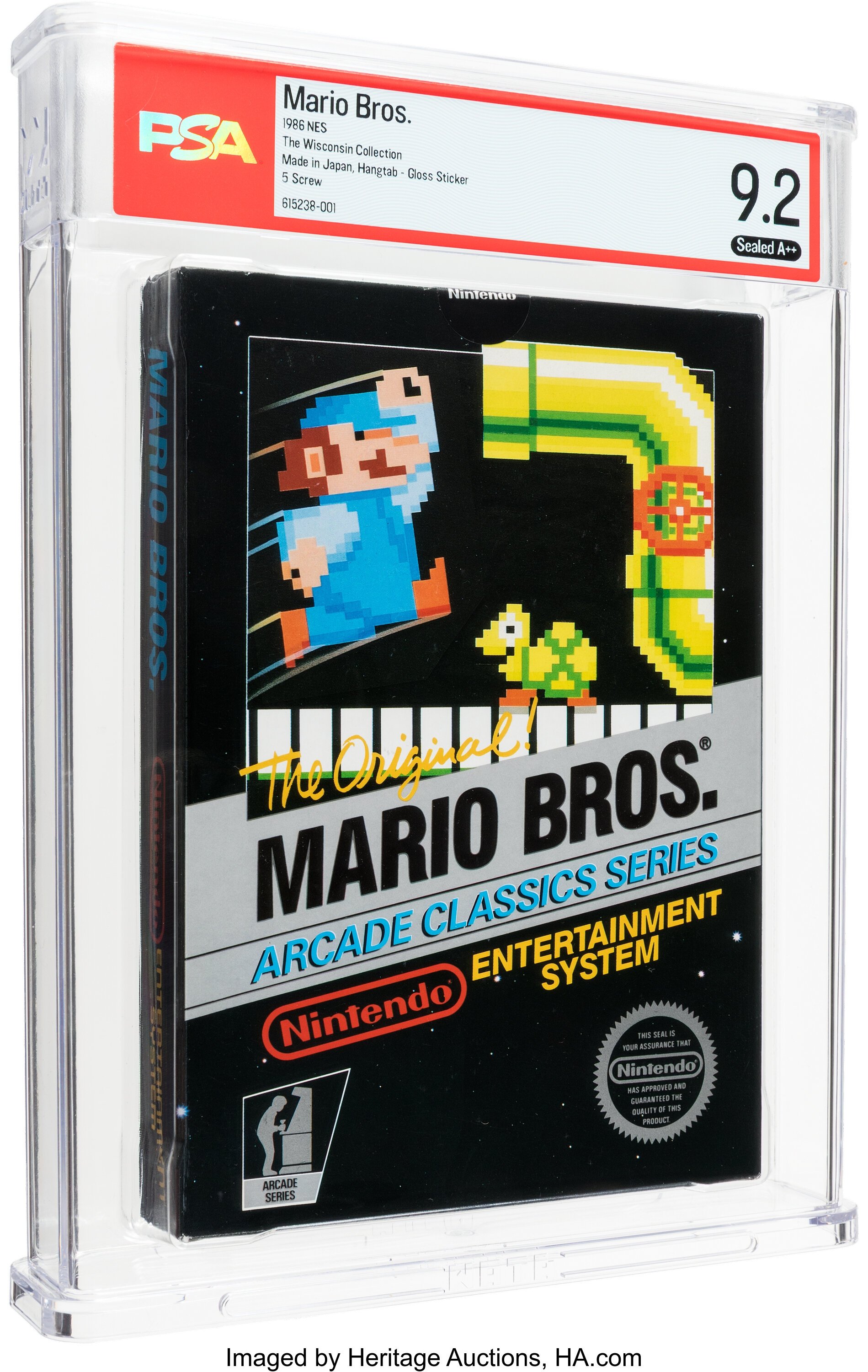
August 2026 Retro Game Auction Market Report
August 2026 graded retro game auction results from Heritage Auctions and Goldin: 226 sales, $2,878,614 realized, led by Mario Bros. at $450,000.
July 2026 Retro Game Auction Market Report
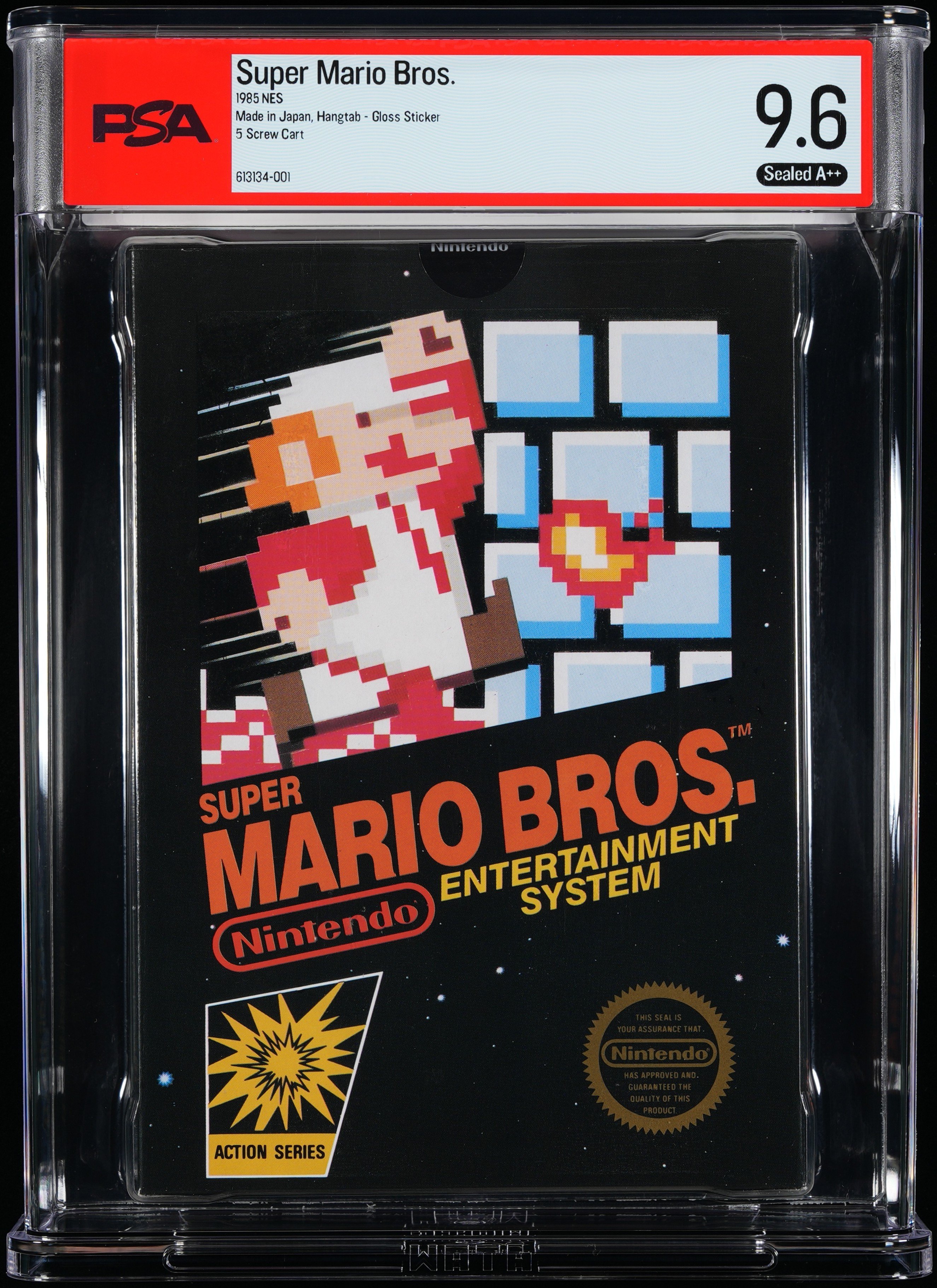
July 2026 graded retro game auction results from Heritage Auctions and Goldin: 204 sales, $230,605 realized, led by Super Mario Bros. at $9,062.
June 2026 Retro Game Auction Market Report
June 2026 graded retro game auction results from Heritage Auctions and Goldin: 639 sales, $5,520,555 realized, led by Super Mario Bros. at $3,000,000.
Retro Game Auction Market Report: Heritage & Goldin Sales
Graded retro game auction results from Heritage Auctions and Goldin: 50 sales in the last 30 days, led by Mario Bros. at $450,000.
Game Boy Advance Game Library: PSA Pop Report + Loose / CIB / Sealed Prices
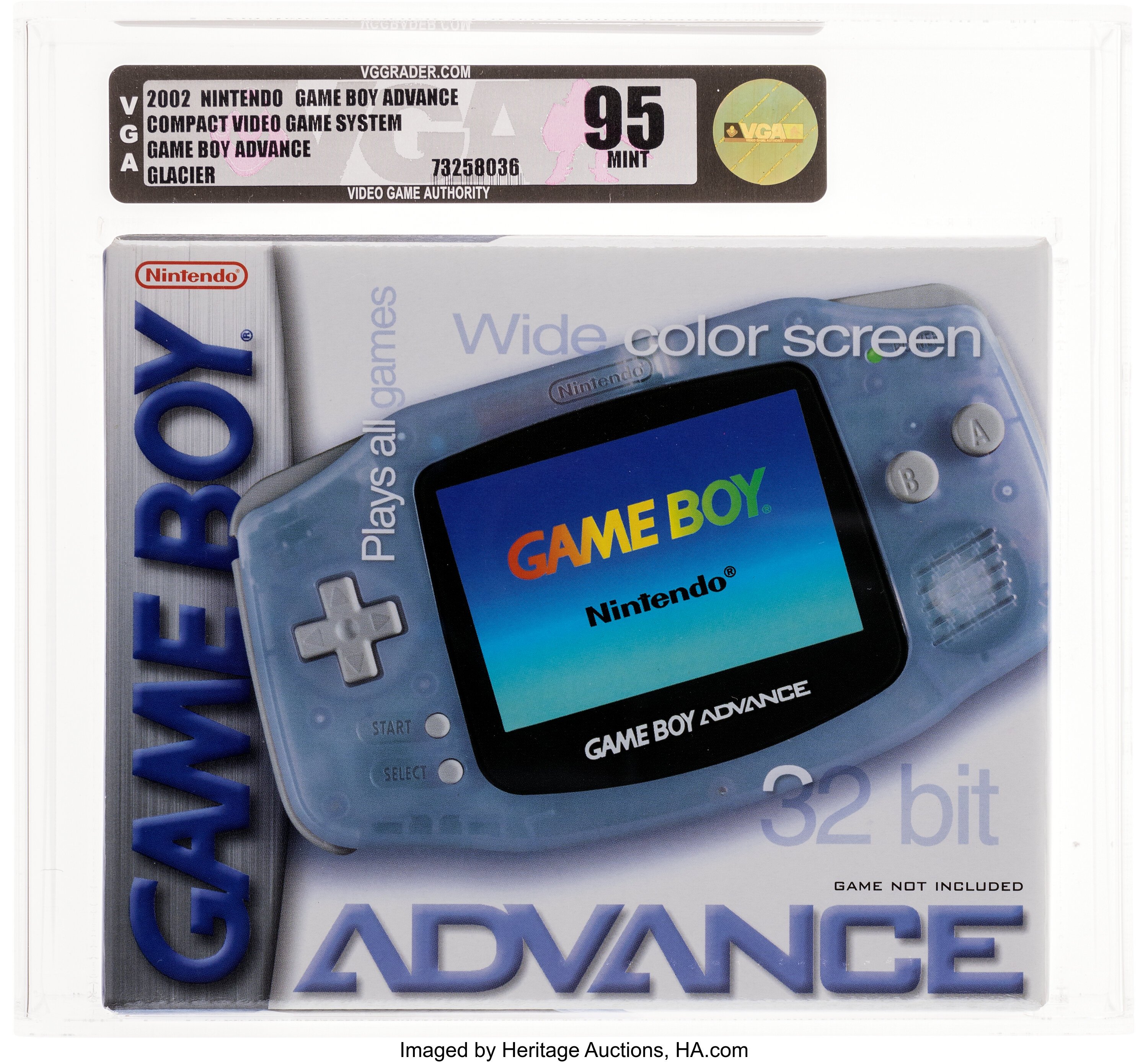
All 915 Game Boy Advance games PSA tracks (1,017 variants) — loose, CIB, sealed pop counts + PriceCharting prices. Updated weekly.
Retro games are a genuine collector passion AND a real asset class. But the two require the same discipline: verified data, realistic expectations, and consistent patience. Start with a single console, read the deep guide, and build from there. Every console guide on this site is sourced from PriceCharting data plus eBay recent comps — nothing estimated, nothing guessed.