Penny vs Perfect Fit Sleeves: Pokémon Card Protection Guide
This post contains affiliate links. We may earn a commission at no extra cost to you.
Penny sleeves offer basic scratch protection with a loose fit, ideal for bulk storage and budget needs. Perfect fit sleeves provide snug protection against dust, moisture, and edge wear, primarily for valuable cards or as an inner sleeve.
For many of us, the first line of defense comes down to a fundamental choice: penny sleeves vs. perfect fit sleeves. It’s a debate as old as the hobby itself, each offering distinct advantages depending on what you’re trying to protect and how. Here’s how to keep your collection looking Gem Mint.
The Essential Role of Sleeves in Pokémon Card Protection
Think of sleeves as the bodyguards for your cardboard treasures. Whether you’re a seasoned veteran chasing PSA 10s or a new collector just starting your journey, every raw card needs a sleeve. They act as a barrier, preventing surface scratches, minimizing edge wear from handling, and generally extending the lifespan and visual appeal of your cards. Neglecting to sleeve a card, even for a moment, is like walking barefoot in a minefield - you’re just asking for trouble.
From the common cards filling out your master sets to the chase cards destined for a place of honor, understanding the nuances of different sleeve types is critical. It’s not just about slapping on any old plastic; it’s about choosing the right plastic for the right job.
Understanding Penny Sleeves: Bulk Protection & Budget-Friendly Benefits
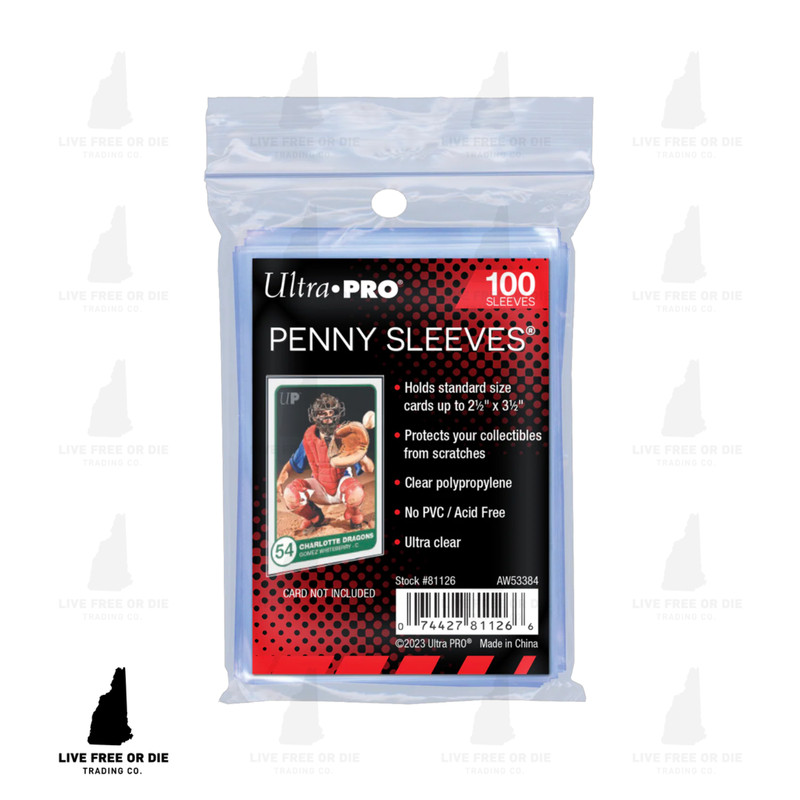
Let’s start with the workhorse of the hobby: the humble penny sleeve. These are the thin, flexible, and slightly oversized plastic sleeves that most of us first encounter. They offer a loose fit, allowing the card a bit of breathing room inside.
Why we love them:
-
Affordability: As the name suggests, they’re incredibly cheap. You can snag hundreds, sometimes even a thousand, for a very modest price. A big pack of Ultra Pro Penny Sleeves 100 Count can protect a substantial portion of your bulk.
-
Bulk Protection: For master sets, trade binders, or simply organizing a mountain of commons and uncommons, penny sleeves are king. Their cost-effectiveness makes them ideal for protecting cards you might not be sending to PSA tomorrow, but still want to keep in good shape.
-
Binder Friendly: They slide easily into 9-pocket pages, making organization a breeze.
-
Grading Submission: Here’s a surprising one for some newcomers: major grading companies like PSA and Beckett often prefer raw cards to be submitted in penny sleeves (or even completely unsleeved, just in semi-rigids) because they’re so easy to remove. This speeds up their process.
The Downsides:
-
Loose Fit: The very thing that makes them easy to use can also be a drawback. The extra space means cards aren’t fully sealed, potentially allowing dust and debris to sneak in.
-
Limited Protection: While they prevent surface scratches, their flexibility and thinness won’t offer much resistance against bends, creases, or impact damage if a card is handled roughly or jostled in a binder. They’re a basic shield, not a fortress.
Exploring Perfect Fit Sleeves: Snug Protection for Valuable Cards
Now, let’s talk about the specialized ops of card protection: perfect fit sleeves. These are precision-engineered to hug your card like a second skin, with minimal to no extra space around the edges. They are designed to fit so snugly that they effectively “seal” the card.
Why we love them:
-
Unparalleled Snugness: This exact fit is their superpower. It dramatically reduces the chance of dust, moisture, or even tiny air particles reaching the card’s surface or edges.
-
Enhanced Edge Protection: By tightly encasing the card, perfect fits help prevent the dreaded whitening on edges and corners that comes from friction and minor bumps.
-
Inner Sleeve Powerhouse: They shine brightest as an inner sleeve, forming the foundational layer of protection for double-sleeving (more on that in a bit!). Brands like KMC Perfect Fit Inner Sleeves are legendary in the community for their consistent quality and sizing.
-
Toploader and One-Touch Ready: For cards destined for a toploader or a magnetic One-Touch, a perfect fit sleeve ensures the card stays pristine during insertion and adds an extra layer of defense within its rigid casing.
The Downsides:
-
Careful Handling Required: Because they’re so snug, inserting a card into a perfect fit sleeve requires a delicate touch. Rushing it can lead to unfortunate corner dings or even slight bends if you’re not careful. This is particularly true for cards with delicate finishes or edges.
-
Higher Cost: Per sleeve, perfect fits are generally more expensive than their penny counterparts.
-
Not for Bulk: You wouldn’t use these for your entire collection of commons; the cost and time involved would be prohibitive.
Penny vs. Perfect Fit: A Head-to-Head Comparison for Collectors
To make your choice clearer, let’s put these two sleeve titans side-by-side. Every detail matters when it comes to preserving your Pokémon.
| Feature | Penny Sleeves | Perfect Fit Sleeves |
|---|---|---|
| Fit | Loose, slightly larger than card | Snug, exact fit around card |
| Protection | Basic scratch/surface, minimal edge defense | Excellent dust, moisture, and edge wear prevention |
| Cost | Very budget-friendly (hundreds for ~$10) | More expensive per sleeve |
| Primary Use | Bulk storage, trade binders, everyday cards, outer sleeve | Inner sleeve for double sleeving, valuable cards, toploaders |
| Handling | Easy insertion/removal | Requires careful insertion/removal to avoid damage |
| Grading Sub | Often preferred by PSA/Beckett for raw card submission | Ideal as an inner sleeve for enhanced protection during submission prep |
| Dust/Debris | Can allow ingress | Minimizes ingress significantly |
Mastering Double Sleeving: The Ultimate Defense for Your Rarest Cards
For those truly special cards–the chase cards, the high-value pulls, the potential Gem Mint slabs–the community has largely adopted a superior method: double sleeving. This isn’t just for players wanting to protect their decks during intense tournaments; it’s the gold standard for safeguarding your most prized collection pieces.
The process is simple:
- Place your card first into a perfect fit sleeve (this is your inner layer, providing that snug, sealed protection).
- Then, slide the perfect-fitted card into a standard-sized outer sleeve. This outer sleeve can be a penny sleeve, but for serious protection and a better feel, many collectors opt for higher-quality deck sleeves like Dragon Shield Matte Art Sleeves or Ultra Pro Pro-Matte Eclipse Sleeves. These often have a thicker material and a matte finish that helps prevent stickiness.
This dual-layer approach provides comprehensive protection against virtually every common threat: dust, moisture, surface scratches, and edge wear. The perfect fit shields the card directly, while the outer sleeve adds another physical barrier, preventing the perfect fit from rubbing against binders or toploaders, and often giving the card a better feel for handling.
Choosing the Right Sleeves for Pokémon Card Grading Submissions

The process of sending cards for grading by PSA or Beckett requires careful preparation. Collectors inspect cards for centering, seek to avoid whitening, and clean the surface. Improper sleeving can undo this preparation.
While you might think a perfect fit is always best, it’s nuanced:
-
For Raw Card Submissions (e.g., PSA): PSA specifically states they prefer raw cards submitted in a penny sleeve or a semi-rigid holder (like a Cardboard Gold Card Saver 1) with no inner sleeve. The reason? It makes it easier and quicker for their graders to remove the card without potentially damaging it during the process.
-
For Your Protection During Shipping: This is where the debate gets interesting. While PSA prefers no inner sleeve for ease of removal, many collectors still advocate for using a perfect fit inside a semi-rigid during shipping. The risk of the card shifting or getting dinged during transit without that inner layer is simply too high for high-value cards. Once it reaches the grading company, it’s their responsibility.
Collector Tip: Grading Prep Perfection
When preparing your prized Pokémon for grading, remember that handling is everything. Always insert cards into perfect fit sleeves and then into semi-rigid holders (like a Cardboard Gold Card Saver 1) with extreme care. Any ding, bend, or fingerprint can be the difference between a PSA 9 and a coveted Gem Mint 10. While PSA often prefers just a loose penny sleeve or a semi-rigid with no inner sleeve for raw card submissions, for your peace of mind and the card’s safety during transit, use a perfect fit inside a semi-rigid for anything valuable. It’s a small precaution that can make a huge difference in preserving that potential Gem Mint.
Beyond Sleeves: Comprehensive Card Care and Storage Strategies
Sleeves are essential for protection, but they represent only one part of card care. A comprehensive approach involves considering all aspects of card preservation.
-
Toploaders: For cards you want to keep easily viewable but highly protected (e.g., trade bait, cards waiting for grading), a double-sleeved card in an Ultra Pro 3x4 Regular Toploaders 25 Count is an excellent choice.
-
Binders: For showcasing your collections, a high-quality binder designed for trading cards, like a Vault X Premium Exo-Tec 9-Pocket Binder, is a must. Always use sideloading pages to prevent cards from slipping out, and make sure your cards are sleeved (double-sleeved for valuables!) before going into a page.
-
Storage Boxes: For bulk or lower-value cards you don’t need to access frequently, sturdy cardboard storage boxes like a BCW 3200 Count Card Storage Box are economical and efficient. Just ensure everything is penny-sleeved first!
-
Controlled Environment: For your ultra-rare slabs and sealed products, consider ambient factors. While not directly sleeve-related, humidity and temperature control in your storage area can prevent long-term damage like warping or moisture ingress into sealed items.
The Pokémon TCG, with its regular set rotations (such as those in March/April 2025 and 2026), consistently introduces new cards and new collecting goals. This highlights the ongoing requirement for effective protection.
Ultimately, the choice between penny and perfect fit sleeves, or the decision to double-sleeve, comes down to balancing protection, cost, and convenience for each specific card in your collection. There’s no single right answer for every card, but understanding the tools at your disposal empowers you to make the best decisions for your treasured Pokémon.
Whether building a master set, pursuing Gem Mint graded cards, or maintaining a childhood collection, using quality protection is advisable. Such protection helps preserve the condition of the cards.
Ready to Level Up Your Card Protection? Explore the best in sleeves, toploaders, and storage solutions to safeguard your collection. Check out our curated selection of essential Pokémon TCG accessories and secure your valuable cards today!