Best Pokémon Card Grading Supplies: Ace Your Submission
This post contains affiliate links. We may earn a commission at no extra cost to you.
For Pokémon card grading, essential supplies include archival-safe penny sleeves and semi-rigid card holders. Ultra Pro Penny Sleeves 100 Count are a noted option. The Card Saver 1, specifically Cardboard Gold Card Saver 1, is a semi-rigid holder preferred by PSA and Beckett for grading submissions. PJU Semi-Rigid Card Holders are an alternative.
The difference between a high grade and a heartbreaking ding often comes down to the supplies you use and the care you put in before it even leaves your hands. So, grab a drink, find your cleanest surface, and let’s dive into how to ace your next Pokémon card grading submission.
Why Quality Grading Supplies Are Critical for Pokémon Cards
The Pokémon card market today is vibrant, with nearly 2.5 million cards graded across major companies in just one month earlier this year! This sustained demand clearly shows we all see the value in professional grading. But here’s the kicker: community sentiment says that for modern cards, it’s pretty much Gem Mint or bust. A PSA 10, CGC Pristine 10, or BGS 10 can significantly boost a card’s value, while a PSA 9 sometimes sells for less than a raw, ungraded copy because that raw card still holds the potential for a perfect 10.
This puts immense pressure on us, the collectors. Every tiny spec of dust, every minor edge wear from handling, every corner ding during shipping can crush that dream 10. That’s why investing in quality grading supplies isn’t an expense; it’s an insurance policy for your card’s value. You’ve spent good money on packs, singles, or even a trip to Japan for that exclusive promo - don’t cheap out on the final, crucial step of protecting its potential.
The Core Essentials: Penny Sleeves & Semi-Rigid Holders Explained
Before your card even thinks about a slab, it needs the right armor. When prepping a card, these two items are non-negotiable:
-
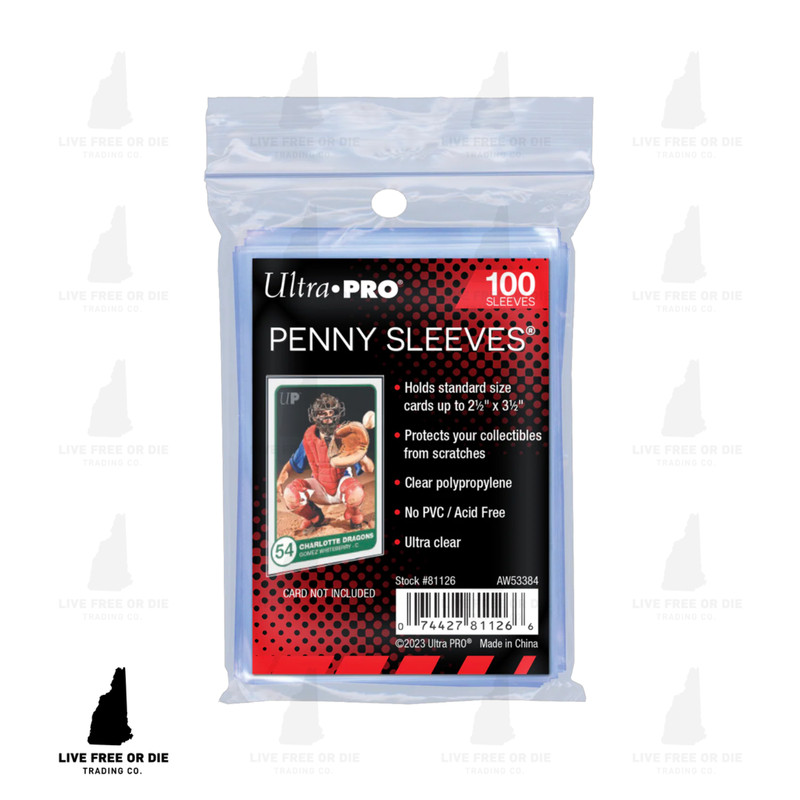
Penny Sleeves (or Soft Sleeves): These are your card’s first line of defense. A good penny sleeve is clear, flexible, and crucially, archival-safe. It prevents surface scratches, dust, and minor smudges that can occur during handling or when inserting the card into a holder. Graders at PSA and Beckett specifically request cards be submitted in penny sleeves, and for good reason. They’re cheap, effective, and essential.
A simple and reliable option here: Ultra Pro Penny Sleeves 100 Count. They’re affordable, widely available, and do exactly what they’re supposed to do.
-
Semi-Rigid Card Holders: This is where many newer submitters get confused. Forget toploaders for grading submissions - grading companies, especially PSA and BGS, prefer semi-rigid holders. Why? Because their flexibility makes it incredibly easy for graders to slide the card out without bending, catching, or otherwise damaging it. Toploaders, while great for storage, can create static and make card removal a more delicate, risky operation for graders.
The undisputed champion in this category is the Card Saver 1. It’s the gold standard for a reason: clear, archival, and designed with just enough give to protect the card without hindering the grading process.
Card Saver 1 vs. Toploaders: What Graders Really Want
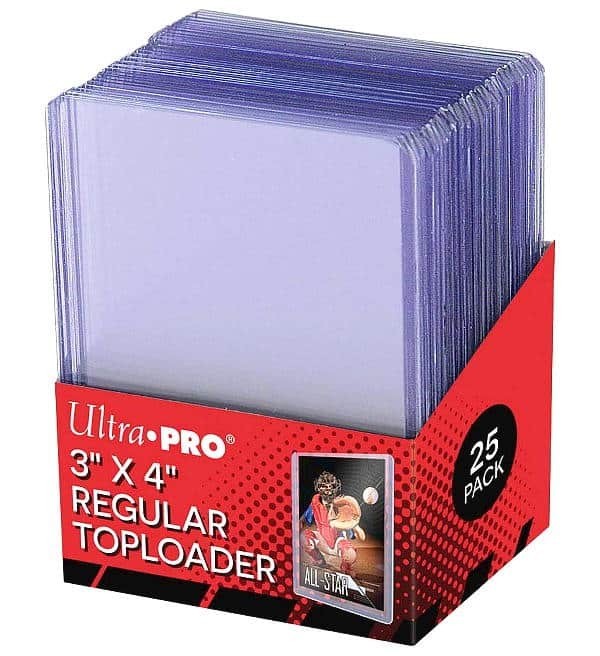
Let’s clear this up: while toploaders are fantastic for everyday storage and shipping raw cards to a friend or buyer, they are generally not what you want for a grading submission.
Why Card Saver 1 Wins for Submissions:
-
Grader Preference: PSA and BGS explicitly request Card Saver 1s or similar semi-rigid holders. They are easier and safer for graders to work with, reducing the risk of a new ding on your perfectly centered Holo Rare.
-
Card Protection: The snug fit of a penny sleeve combined with the semi-rigid structure prevents the card from moving around, while still allowing the card to ‘breathe’ a bit.
-
Prevents Warping: The design helps keep your card flat, preventing any subtle warping that can sometimes occur in transit or storage with other types of holders.
We recommend Cardboard Gold Card Saver 1. Accept no substitutes for serious submissions. However, if you’re looking for an alternative that PSA also approves and some collectors prefer for being slightly thicker, then PJU Semi-Rigid Card Holders are another excellent option.
Where Toploaders Shine (Not for Submission):
Toploaders certainly have their place! They’re ideal for storing cards that aren’t ready to grade, for trading, or for sending to a buyer. Paired with a penny sleeve, they offer excellent rigid protection.
For general storage and shipping of raw cards, grab a pack of Ultra Pro 3x4 Regular Toploaders 25 Count or BCW 3x4 Top Loaders 100 Count. They’re sturdy and protect cards well in binders or storage boxes.
Here’s a quick comparison of what different grading companies generally prefer:
| Feature/Company | PSA | CGC Cards | Beckett Grading Services (BGS) | SGC |
|---|---|---|---|---|
| Preferred Holder | Card Saver 1 (Semi-Rigid) | Semi-Rigid or Toploader | Card Saver 1 (Semi-Rigid) | Semi-Rigid or Toploader |
| Penny Sleeve? | Yes | Yes | Yes | Yes |
| Ease for Grader | High (easy removal, low damage risk) | High (flexible, adaptable) | High (easy removal, low damage risk) | High (flexible, adaptable) |
| Why they prefer | Reduces handling damage, standardizes process | Flexible, also accepts toploaders for some tiers | Reduces handling damage, standardizes process | Flexible, also accepts toploaders |
CGC Cards is a bit more flexible with toploaders, but honestly, if you’re sending to any major service, sticking to a penny sleeve in a semi-rigid holder (like a Card Saver 1) is the safest bet across the board.
Advanced Tools & Techniques for Flawless Card Preparation
A Gem Mint grade requires extreme precision. In addition to selecting the correct sleeves and holders, careful preparation is essential. The following details this preparation:
- Clean Workspace: A clean, well-lit area is non-negotiable. Dust is your enemy. A small air blower (like for camera lenses) can gently puff away any unseen particles.
- Microfiber Cloths: Use a clean, soft microfiber cloth (specifically for cards, not your glasses!) to gently wipe away any surface smudges or fingerprints. Always wipe from the center outwards, never in circles.
- Magnifying Loupe: This is your secret weapon. A jeweler’s loupe, even a cheap 10x one, will reveal tiny imperfections you’d never see with the naked eye. Use it to inspect corners for whitening, edges for nicks, and the surface for print lines or indentations.
- Centering Tool: Yes, these exist! While you can eyeball centering, a dedicated tool (or even a clear ruler with precise measurements) helps you objectively assess whether your card has that perfect 50/50 centering that PSA loves.
- Cotton Gloves: While some collectors swear by them, they can reduce dexterity and sometimes leave tiny fibers. If you use them, make sure they are lint-free. A simpler method is washing your hands thoroughly and handling cards only by the edges, never touching the surface.
Collector Tip: The “Flashlight Test”
Before considering a card for grading, put it under direct, bright light - like a desk lamp or a phone flashlight. Angle the light across the card’s surface at different angles. This will reveal almost every tiny surface scratch, print line, or indentation that could dock your grade. Don’t skip this; what looks clean in ambient light can be a war zone under scrutiny.
Shipping Your Precious Pokémon Cards Safely: Best Practices

You’ve prepped your cards perfectly, they’re nestled in their penny sleeves and Card Saver 1s - now what? Shipping is where things can go horribly wrong if you’re not careful. This is no time to cut corners.
- Secure the Card Savers: Place each sleeved card in its Card Saver. If you’re submitting multiple cards, group 2-3 Card Savers together and place them in a Ultra Pro Team Bags. This keeps them organized and adds another layer of protection. Crucially, use painter’s tape (never regular tape!) to secure the opening of the Card Saver 1. Painter’s tape has low tack and won’t leave residue or damage the holder when removed by the grader. Apply a small strip across the opening, not touching the card.
- Cardboard Reinforcement: Take two pieces of sturdy cardboard (cut slightly larger than your Card Savers) and create a “sandwich” around your stack of prepped cards. Secure this sandwich with painter’s tape or a few rubber bands (not too tight!).
- Bubble Wrap & Box: The card package should be wrapped generously in bubble wrap. This cushioning provides vital impact protection. Everything should then be placed into a sturdy shipping box. Flimsy envelopes are not recommended. A small, strong box offers superior protection. For large submissions, a BCW 3200 Count Card Storage Box can serve as a sturdy inner container when placed within a larger shipping box.
- Void Fill: Fill any empty space in the box with packing peanuts, crumpled paper, or more bubble wrap. The goal is zero movement inside the box.
- Insurance & Tracking: This is where you don’t skimp. Always, always get tracking and insurance for the declared value of your submission. With PSA now basing potential upcharges on graded value rather than raw, it’s even more important to have your bases covered.
Your Ultimate Grading Submission Checklist
Let’s distill everything into an actionable checklist to ensure you don’t miss a beat on your next Pokémon card submission:
-
Card Selection: Only submit cards with a high probability of Gem Mint (10). Honestly assess centering, corners, edges, and surface under bright light (the “flashlight test”!).
-
Cleanliness: Ensure your workspace, hands, and the card itself are pristine. Use a microfiber cloth for light dust/smudges.
-
Penny Sleeve: Gently slide your cleaned card into a fresh Ultra Pro Penny Sleeves 100 Count. Handle by the edges.
-
Semi-Rigid Holder: Insert the sleeved card into a Cardboard Gold Card Saver 1. Ensure it’s fully seated and not touching the opening.
-
Secure Holders: Use painter’s tape across the opening of the Card Saver 1, ensuring it doesn’t touch the card itself. If submitting multiple, group them into Ultra Pro Team Bags.
-
Submission Form: Fill out your chosen grading company’s submission form accurately. Double-check declared values - remember PSA’s new policy on upcharges based on graded value!
-
Internal Packaging: Sandwich your prepped cards between two pieces of rigid cardboard, secured with painter’s tape.
-
External Packaging: Wrap the cardboard sandwich in bubble wrap and place it securely into a sturdy shipping box. Fill any voids.
-
Shipping: Clearly label the package. Get tracking and adequate insurance. Ship via a reputable carrier.
Investing in Protection: The Smart Choice for Your Card Collection
The Pokémon card grading market is incredibly dynamic. PSA continues to lead in volume and resale value for high-end cards, but CGC Cards has truly stepped up its game, offering competitive rates (Economy at $20 per card for cards valued up to $1,000, or Bulk at $17 per card with a 25-card minimum) and faster paid tiers (Standard at $55 posts 10 working days). BGS still holds sway for those chasing elusive Black Labels with their detailed subgrades, and SGC is a dark horse for vintage cards.
Regardless of the chosen grading company, the upfront investment in proper supplies and careful preparation is essential. With grading fees always a factor (PSA’s Value tiers have been paused since June 2, 2026, so its cheapest open tier is Standard at $59.99 per card), collectors aim to maximize their chances of achieving a grade of 10. Every penny spent on quality sleeves, Card Savers, and shipping materials helps protect the hundreds, or even thousands, invested in a collection.
Don’t let a preventable error cost you a grade. Equip yourself with the best, prep your cards like a pro, and let’s get those Pokémon cards slabbed and ready to shine!