PSA Video Game Grading (2026): Cost, Steps & Worth It
This post contains affiliate links. We may earn a commission at no extra cost to you.
How to Grade Video Games with PSA: A New Era for Collectors
PSA grades video games under its own brand for factory-sealed and complete-in-box copies. A submission means preparing the game, ordering through psavideogames.com with a PSA Collector’s Club membership, entering the game’s details, choosing a service level and packing it securely.
For years, professional video game grading was fragmented. PSA has introduced video game grading, aligning it with its globally recognized services. The process shares similarities with PSA’s card grading, but incorporates game-specific considerations.
PSA Video Games: Understanding the New Grading Landscape

Video game grading has been consolidated under the PSA brand. A previously separate video game grading entity now operates as PSA Video Games. This consolidation provides a unified grading experience, a single platform for submissions, and the application of PSA’s consistent grading standards across various collectibles, including games, cards, films, and albums.
This move aims to streamline the process, offer better transparency, and expand the population reports specifically for video games, giving us a clearer picture of scarcity and market comps. That level of data is invaluable. It’s an exciting time to see video games truly integrate into the larger collectibles ecosystem with a brand we know and trust.
What Can You Grade? PSA’s Expanded Video Game Services
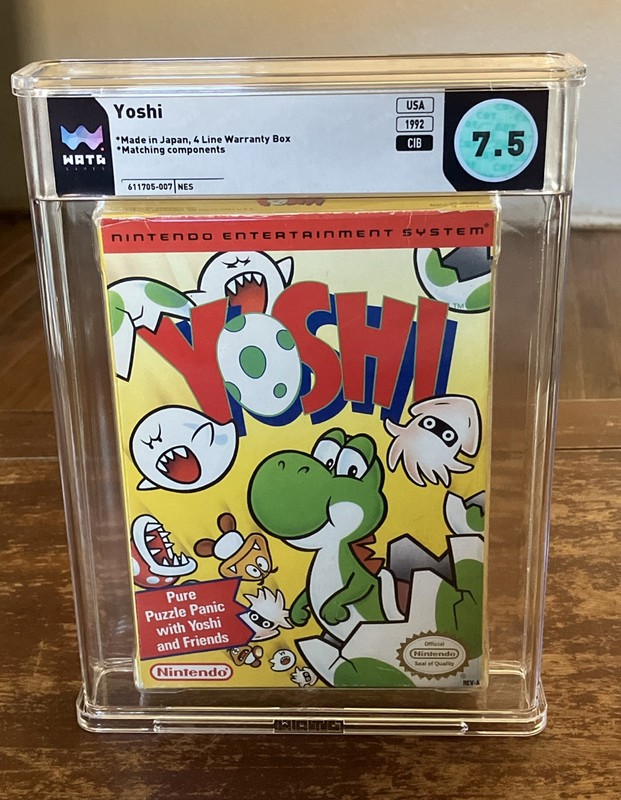
PSA Video Games has really stepped up their offerings, giving us more ways to preserve and authenticate our collections. It’s not just about factory-sealed games anymore, though those perfect, untouched treasures certainly still shine.
Here’s a breakdown of what you can now get graded:
-
Factory-Sealed Games: The ultimate pristine collector’s item, protected and authenticated.
-
Complete-In-Box (CIB) Games: This is huge! You can now submit games with their original box, manual, and cartridge/disc, allowing for the grading of games that have been opened but are still complete. This opens up a whole new world for showcasing iconic titles that might not exist sealed in high grades.
-
Loose Cartridges: For certain vintage systems like NES and Super Nintendo, you can even get those iconic bare cartridges graded. This is fantastic for those of us who remember blowing into carts and just want to preserve a piece of our childhood.
PSA has also rolled out new, distinct cases for video games. Expect to see a classic red label for standard grades, and for those ultra-rare, gem mint beauties, a gold label signifying a coveted PSA 10 A++ perfect grade. On top of that, new value additions include free post-grade photos and a convenient QR code on the slab, which links directly to the Pop Report lookup for your specific game. It’s all about making our graded games easier to research and appreciate.
Your Step-by-Step Guide to Submitting Video Games to PSA
If you’ve ever sent cards to PSA, the process for video games will feel familiar. However, there are some unique aspects for game collectors to keep in mind.
-
Preparation is Key: Prior to submission, inspect the game.
-
Cleanliness: Gently clean the box, manual, or cartridge with appropriate, non-abrasive materials. For sealed games, ensure the plastic is free of surface dust or smudges. For CIB games, check for any residue, dirt, or foreign objects.
-
Inspection: Use a good light source and even a jeweler’s loupe to identify any flaws like creasing, tears, whitening on edges, dents, or scratches. For CIB, check the manual for spine creases, folds, or dog-ears. For cartridges, look at the label integrity and pin connectors.
-
Documentation: Take clear, high-resolution photos and even a video of your game from all angles before you pack it. This serves as a vital record of its condition prior to submission.
-
-
Access PSA’s Online Submission Center: Head over to psavideogames.com. You’ll need a PSA Collector’s Club membership to submit, just like with cards.
-
Input Your Game Details: Select “Video Game” as your item type. You’ll input details like game title, platform, variant (e.g., Black Label, Greatest Hits, First Print), and your declared value. This declared value helps determine your service level and the maximum insurance coverage during grading.
-
Choose Your Service Level: Based on your declared value and desired turnaround time, select the appropriate service level. While PSA explicitly stated in February 2026 that “Prices and service levels remain unchanged for comic books, magazines, video games, tickets, packs, and other grading categories,” it’s always wise to check current pricing on their site, as broader market conditions can always influence future adjustments.
-
Secure Packaging: This is crucial!
-
For sealed games, consider using a high-quality, form-fitting protector before placing it in a sturdy box.
-
For CIB games, ensure all components (box, manual, cartridge/disc) are protected individually if possible, and then secured within the game box to prevent shifting.
-
Use ample padding (bubble wrap, packing peanuts) inside a strong shipping box to prevent any movement or damage during transit. Double-boxing is always a good idea for high-value items.
-
Pro Tip: Document Everything!
Seriously, before you send off that precious game, take comprehensive photos and even a video of it from every angle. This isn’t just for your records; it’s vital for any potential insurance claims and provides an undeniable record of the game’s condition before it leaves your hands. It’s a good habit for every high-value card you send out, and it’s even more critical for bulkier items like games.
Graded Video Games Market: Trends, Pricing, and Evolving Standards

Let’s be honest, the graded video game market has seen some significant shifts recently. After some meteoric highs, it appears to be entering a cooling period. We’ve seen auction results, like those on Goldin in February 2026, where numerous PSA-graded sealed retro games - including some truly iconic titles like Sealed Midnight Mutants (Atari 7800) PSA 8.0/A+ and a Final Fantasy VII (PS1) PSA 9.4 CIB Black Label FIRST PRINT - received few to no bids at starting prices as low as $100. This suggests a notable softening of prices, a reality check after the boom. Some reports from August 2023 even flagged a “plummet” in graded game prices.
While PSA has kept video game grading prices stable (as of their February 2026 announcement), the broader collectibles market has seen rising costs and longer turnaround times, especially for cards. This could hint at future adjustments for games, so always keep an eye on official announcements.
Another aspect of the market involves the perception of grading standards. There have been discussions, particularly regarding past grading practices, that suggested an unusually high number of “perfect” scores were awarded, especially for PlayStation 1 and 2 jewel case games. This “grade inflation” from an earlier era could impact how collectors perceive older graded games versus new PSA grades and their respective market values. PSA’s rigorous, consistent standards are meant to address these concerns, providing a more reliable benchmark moving forward.
For context, here’s a quick look at the two main players in professional video game grading:
| Feature | PSA Video Games | VGA (Video Game Authority) |
|---|---|---|
| Parent Company | Collectors Universe (PSA) | CPA (Certified Collectibles Group) |
| Recognition | Industry leader in sports cards/TCGs, broad appeal. | Established specifically for video games, recognized. |
| Services | Sealed, CIB, Loose Carts (NES/SNES). | Primarily sealed games, some CIB. |
| Case Features | New cases with red (standard) and gold (PSA 10) labels, free post-grade photos, QR codes to Pop Report. | Custom-fit acrylic cases, clear or frosted options, tamper-evident seals. |
| Market Trend | Currently consolidating and establishing new market norms post-integration. | Long-standing player, respected for high-end sealed games. |
| Pop Report | Robust and expanding Pop Report integration. | Dedicated Pop Report system. |
Is PSA Video Game Grading Worth It? Collectors Weigh In
This is where the rubber meets the road, and honestly, the retro video game collecting community is a mixed bag when it comes to grading. On one hand, the full integration with PSA is seen by some as a crucial step towards greater legitimacy, potentially drawing in collectors from other graded hobbies like sports cards and TCGs. It lends a level of institutional trust that was perhaps lacking before.
However, a significant segment of the community remains deeply skeptical, if not outright hostile. This skepticism largely stems from past controversies involving perceived market manipulation and artificial price inflation. Many collectors feel that grading has unfortunately shifted the focus from the pure joy of playing and collecting to purely investment and resale value.
My take? For sealed games, grading absolutely makes sense. It provides unparalleled protection from environmental degradation (dust, moisture, UV light), preventing long-term damage to the packaging. It also provides definitive authentication and condition assessment, which is crucial for high-value items.
For CIB or loose games, it becomes more personal. Some collectors embrace grading these as “art pieces” - a way to commemorate a favorite title with sentimental value, displaying it beautifully in a protective slab. Others, though, argue that a good acrylic display case offers sufficient protection and a more practical solution, especially if you ever intend to actually play the game.
The new PSA label design has been a subject of discussion among collectors regarding its aesthetic impact. Content creators have also discussed PSA’s CIB grading standards, noting instances where grades appeared slightly higher than anticipated based on individual assessments. This discrepancy can influence perceived value but may be unexpected for those accustomed to strict personal evaluations.
Collector Tip: Personal Value vs. Market Value
When considering grading, ask yourself: Is this for personal preservation and display, or for maximizing resale value? If it’s the former, grade what you love, regardless of current market trends. If it’s the latter, research comps thoroughly and understand the current cooling market for graded games.
Maximizing Value and Protecting Your Graded Video Game Collection
Protecting both graded and raw video games is essential, regardless of whether the motivation is investment or personal interest.
- Display with Pride: Once your games are safely encapsulated, display them properly. A good slab stand will show off your prized possessions. For general slab display, a reliable stand like the Ultra Pro Card Stand can work wonders, even for game slabs.
- Environmental Control: This is especially critical for raw sealed games. Fluctuations in temperature and humidity can damage cardboard boxes and shrinkwrap over time. Consider using items like Boveda 62 Percent Humidity Pack or Silica Gel Desiccant Packets in sealed storage containers to maintain optimal conditions.
- Understand Pop Reports: For PSA-graded games, diving into the Pop Report at psavideogames.com is essential. Understanding the PSA Pop - how many copies exist at each grade level - is key to assessing rarity and potential value. A PSA 9.4 CIB Final Fantasy VII might be a high grade, but if the Pop Report shows hundreds of them, its rarity isn’t as high as a unique PSA 8.0/A+ Midnight Mutants.
- When Not to Grade: Not every game is a candidate for grading. If a game is common, has significant condition issues, or holds little market value, the cost of grading might outweigh any potential benefit. Sometimes, a high-quality acrylic display case for a raw CIB game is the perfect solution.
Ready to Slab Your Classics?
The graded video game market is developing, with PSA Video Games playing a significant role. This combines authentication with the interest in retro gaming. Whether pursuing a PSA 10 grade or preserving gaming history, understanding the process and market is important.
Now go forth, inspect those boxes, and decide which of your cherished titles deserves to be forever enshrined in a slab!